
Although sleep can have a positive effect on one’s outward appearance, a tired or heavy expression around the eyes may have nothing to do with how rested you feel.


More often than not, visible signs of aging in the upper and lower eyelids can unintentionally make patients look stressed, unfriendly, or fatigued even after a full night’s sleep. Eyelid surgery is designed to smooth the contour around the eyes — often one of the first regions to be affected by aging — and restore a more open, refreshed, and youthful appearance.

What Is Blepharoplasty?
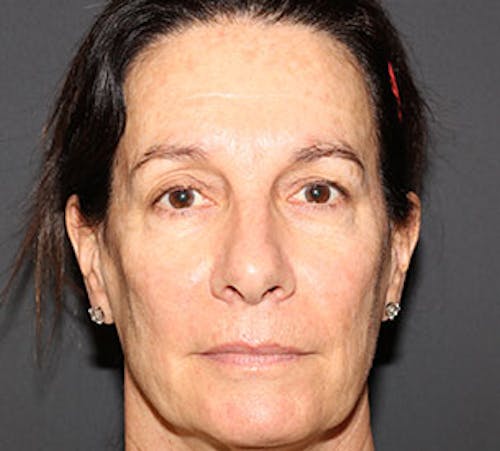
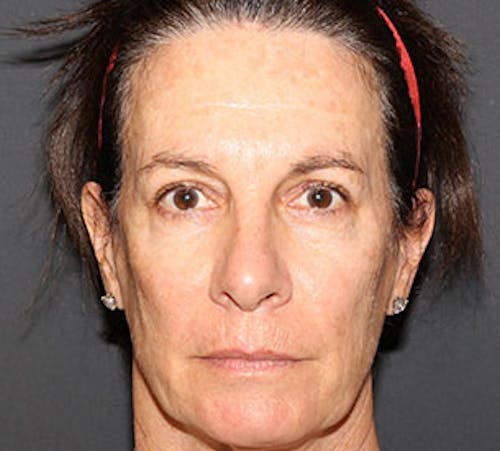
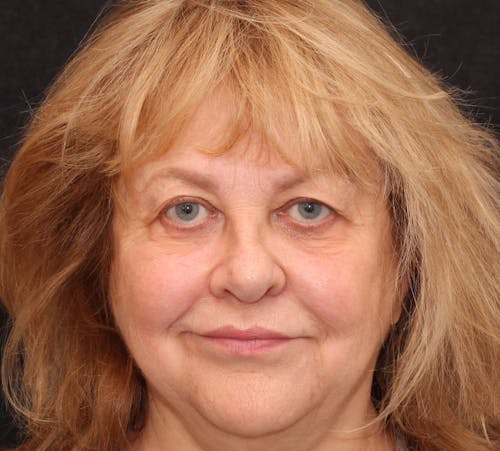
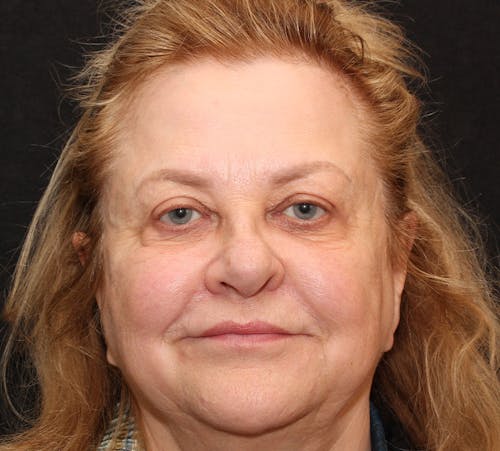
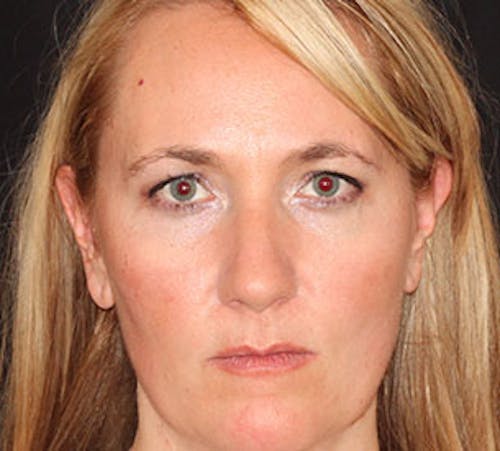
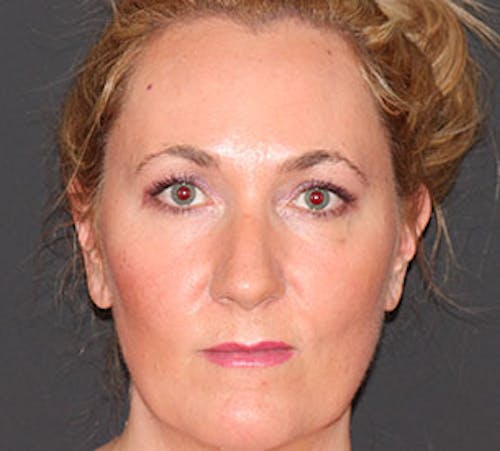
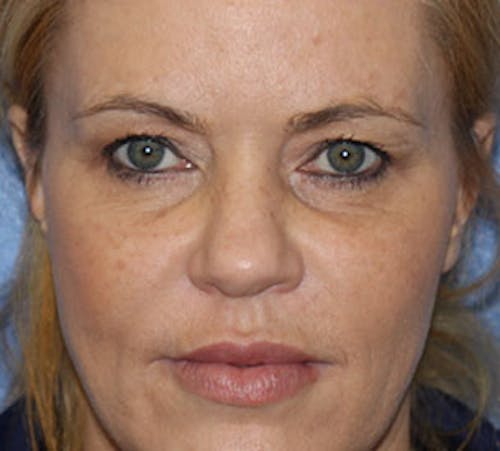
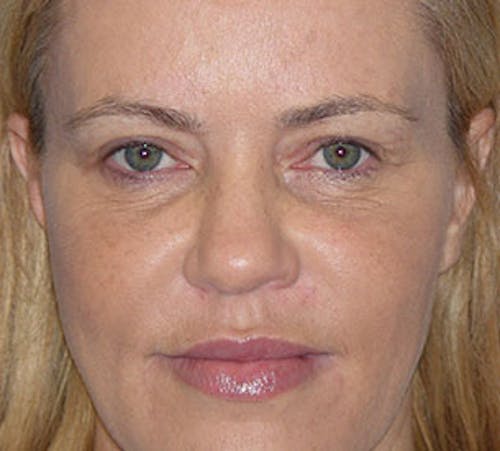
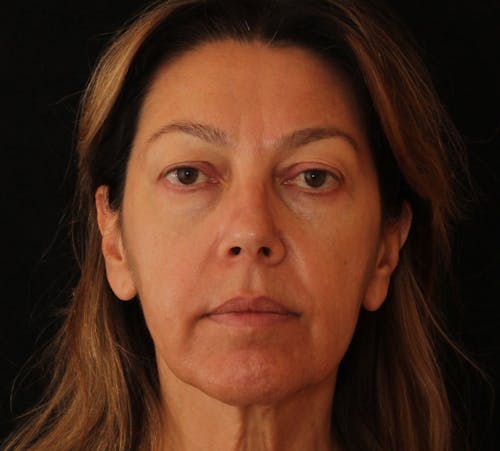
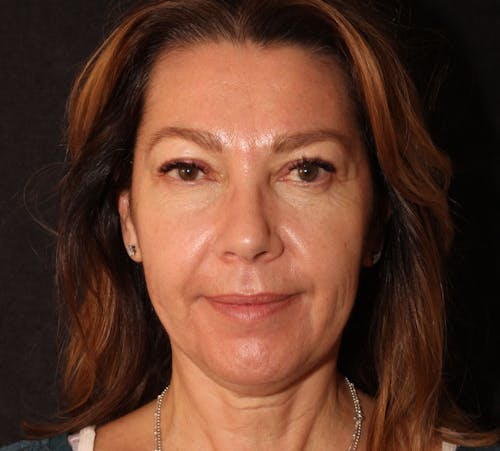
Eyelid surgery, commonly known as “blepharoplasty,” is a powerful option to reduce signs of aging and exhaustion around the eyes, such as puffiness, under-eye bags, drooping skin, and wrinkling. This can allow patients to look brighter and more youthful, often dramatically improving their entire facial appearance. Since aging impacts the upper and lower eyelids in distinctive ways, blepharoplasty in Sacramento is typically offered in two variations: upper and lower eyelid surgery. Both procedures are frequently performed together to more extensively rejuvenate the upper face, but Dr. Tom Liu and Dr. Jerome Liu — our board-certified plastic surgeons — can develop an ideal treatment plan for you based on your concerns and desires.


Is Eyelid Surgery Right For Me?
If you believe you look more tired than you actually feel, or if people mistakenly perceive you as exhausted or angry, blepharoplasty in Sacramento may be a solution to help you appear more alert, friendly, and energetic. In assessing whether you may benefit from eyelid surgery, Dr. Tom Liu or Dr. Jerome Liu will conduct a facial analysis to observe signs of aging in the upper and lower eyelids. Even if patients only plan to treat one region, an evaluation of both eyelids is necessary since the upper and lower eyelids age together. After discussing your concerns and overall goals, your plastic surgeon will develop a treatment plan completely personalized to your unique needs.

Types Of Blepharoplasty
Upper Blepharoplasty
Upper eyelid surgery can make the eyes appear more open and alert by removing excess skin and repositioning extra fat. “Hooding” and puffiness can be corrected, smoothing the entire eyelid contour and producing a more refreshed look. This procedure typically takes 45 to 60 minutes to perform. Incisions are placed inconspicuously within the natural crease of the upper eyelid.
Lower Blepharoplasty
During lower blepharoplasty, incisions are either placed discreetly on the eyelid or internally, along the lower lash line. From this entry point, bulging or herniated fat creating the appearance of eye bags can be removed or repositioned to reduce puffiness. This can also help reduce dark circles under the eyes. Combined with upper eyelid surgery, lower blepharoplasty generally takes 90 minutes to two hours to perform depending on the complexity of the procedure.


Blepharoplasty FAQ
Am I a good candidate for blepharoplasty?
Are the results of blepharoplasty permanent?
What are the risks associated with blepharoplasty?
Can blepharoplasty be combined with other facial procedures?
Will my scars be visible after eyelid surgery?
How do I prepare for my blepharoplasty procedure?
Will eyelid surgery affect my vision?
At what age is blepharoplasty typically performed?
Am I a good candidate for blepharoplasty?
Ideal candidates are generally healthy adults with sagging or puffy eyelids, excess eyelid skin, or vision obstruction due to drooping eyelids. A consultation with the doctor will determine if the procedure is suitable for your specific needs.
Are the results of blepharoplasty permanent?
While blepharoplasty provides long-lasting results, the natural aging process continues. Results can last for many years, but factors like genetics and lifestyle may affect longevity.
What are the risks associated with blepharoplasty?
As with any surgery, risks include infection, scarring, dry eyes, or temporary changes in vision. The Doctor will discuss potential risks and how they are minimized during your consultation.
Can blepharoplasty be combined with other facial procedures?
Yes, eyelid surgery is often performed alongside other facial rejuvenation procedures such as a brow lift, facelift, or non-surgical treatments like Botox and fillers. Combining procedures can address multiple areas of concern in a single recovery period and produce more comprehensive, harmonious results.
Will my scars be visible after eyelid surgery?
Incisions are strategically placed to minimize visible scarring — within the natural crease of the upper eyelid or along the lower lash line. Over time, these incisions typically fade significantly and become very difficult to detect.
How do I prepare for my blepharoplasty procedure?
In the weeks leading up to surgery, you may be asked to stop taking certain medications or supplements that can increase bleeding, such as aspirin or fish oil. You should also arrange for someone to drive you home and assist you during the initial days of recovery. Your surgeon will provide a complete personalized pre-operative checklist at your consultation.
Will eyelid surgery affect my vision?
Blepharoplasty does not alter vision itself, but upper eyelid surgery can improve your field of vision if drooping skin has been obstructing your peripheral sight. Any temporary blurriness experienced immediately after surgery is normal and resolves as swelling subsides.
At what age is blepharoplasty typically performed?
There is no set age requirement. While most patients are in their 40s or older, younger patients may seek the procedure for functional concerns or hereditary conditions such as naturally puffy under-eyes or excess upper eyelid skin.