
Liposuction in Sacramento is one of the most effective solutions for removing stubborn fat and refining body contours. If dieting and exercise fail to provide you with the slimmer, sculpted look you desire, liposuction can be an excellent way to attain your aesthetic goals.

Table of Contents

What Is Liposuction?
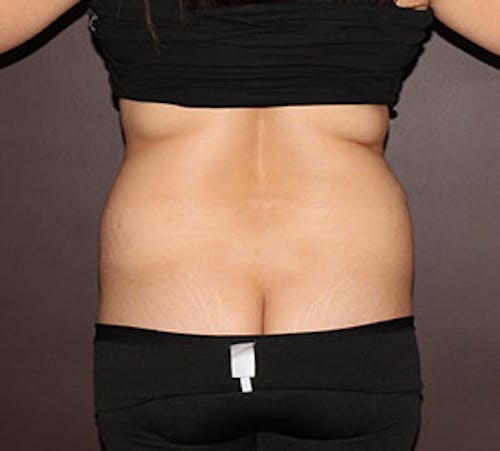
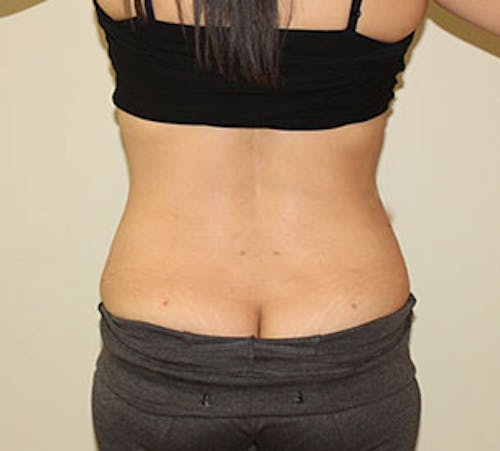
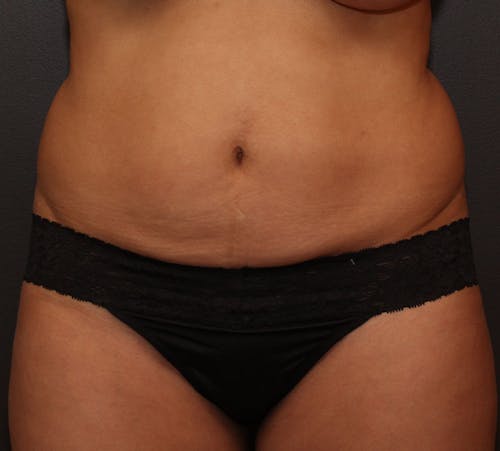
Liposuction is a simple and clinically supported procedure designed to remove fat cells in a selected region of the body, thereby smoothing pockets of stubborn fat resistant to dieting and exercise. This procedure is one of the most straightforward and frequently performed cosmetic surgeries available due to its ability to achieve long-term results through less invasive techniques. There are generally two components to liposuction: first, a thin and narrow surgical tube called a cannula is inserted into small incisions near the treatment site(s). With this cannula, fat cells can be suctioned out through vacuum-assisted technology until the ideal outcome is achieved. Next, the body’s inherent elasticity allows the skin to conform to your new contours, leaving behind a smoother physique that appears naturally attained. Our board-certified plastic surgeons at Silicon Valley Institute for Aesthetics (SVIA®) utilize advanced techniques for liposuction in Sacramento to help patients make their ideal physique a reality with less discomfort, recovery time, and scarring than traditional approaches. Liposuction remains one of the most popular cosmetic procedures for body contouring in Sacramento.

What Can Be Accomplished With Liposuction?
With liposuction, the most exercise-resistant bulges of fat can be shaped and contoured to reveal a leaner aesthetic. Many individuals use liposuction as a complement to their workout regimens in order to address the pockets of fat that natural solutions cannot. The procedure can target virtually any region of the body, including:
- the abdomen
- submental area (neck)
- hips
- inner thighs
- upper arms
- lower back.
Among the most popular treatment sites include “love handles,” “muffin tops,” “bra bulges,” or a “double chin.”

What are the benefits of liposuction?
Liposuction offers a highly effective solution for refining and sculpting the body when diet and exercise alone are not enough. Key benefits include:
- Targeted removal of stubborn fat deposits
- Improved body contours and proportions
- Long-lasting results with proper maintenance
- Minimally invasive techniques with small incisions
- Ability to treat multiple areas in one procedure
- Enhanced confidence and body image

What areas can liposuction treat?
Liposuction is a highly versatile procedure that can contour multiple areas of the body. Common treatment areas include:
- Abdomen and waist
- Flanks (love handles)
- Thighs (inner and outer)
- Upper arms
- Back and bra line
- Chin and neck (submental area)
- Hips and buttocks
Your treatment plan will be customized to ensure balanced, natural-looking results across all targeted areas.
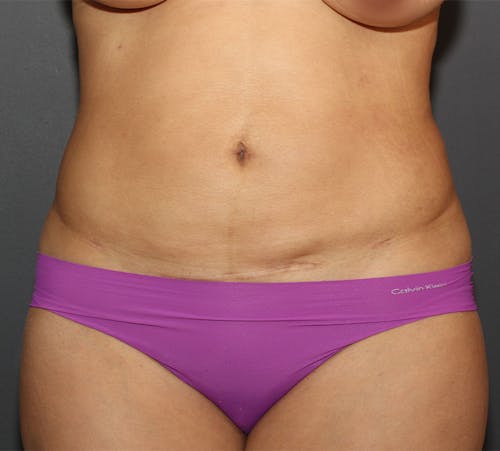
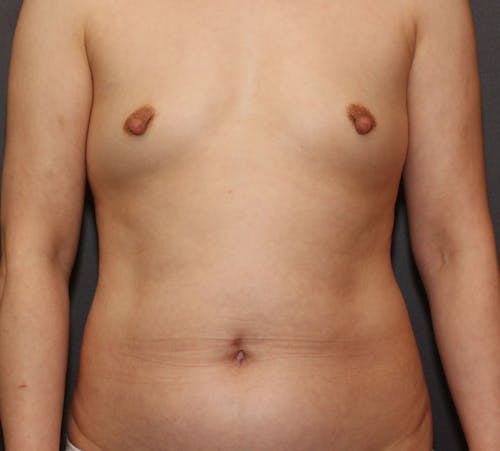
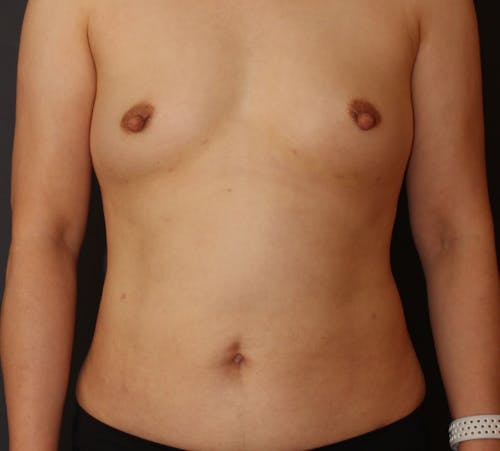
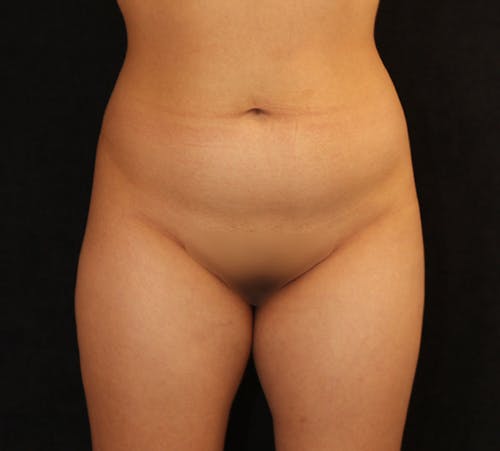
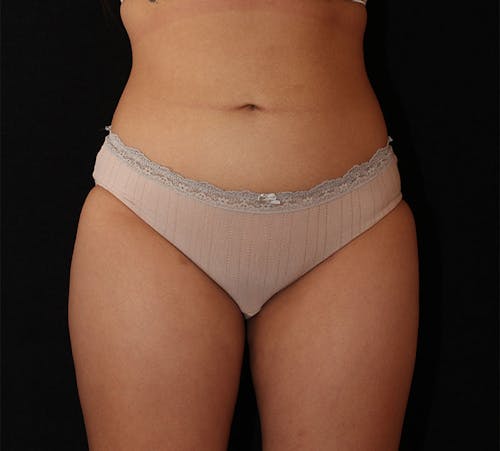
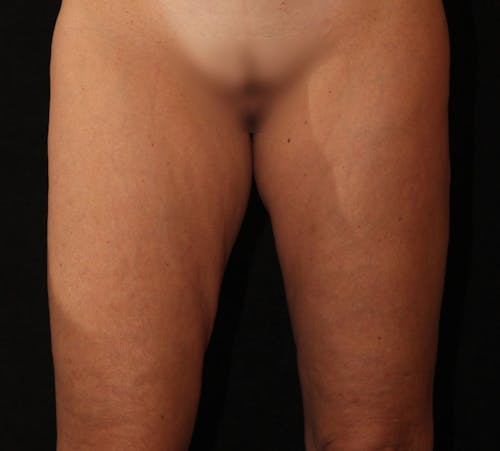
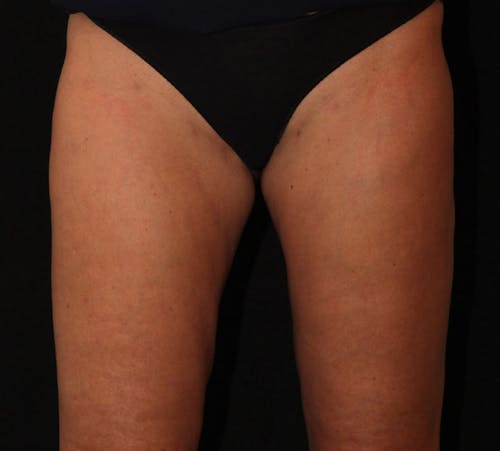

How Is Liposuction Performed?
Liposuction typically takes 30 to 45 minutes to perform per treatment area. Depending on your treatment plan, your procedure may utilize local or general anesthesia. If surgery is performed under general anesthesia, a board-certified anesthesiologist will be present to monitor your vital signs. Medications and fluids will be administered prior to liposuction to reduce bleeding and help dislodge the isolated fat. This approach, known as tumescent liposuction, will be performed in conjunction with other cutting-edge liposuction techniques to enhance patient comfort and provide an even, natural-looking contour.

Combining Liposuction With Bodytite®
To reduce discomfort during the recovery period and improve the final outcome, liposuction is often performed in tandem with BodyTite® by InMode — a minimally invasive skin tightening treatment that gently emits radiofrequency (RF) energy above and below the surface of the skin. The targeted RF energy then produces a thermal effect that liquefies fat underneath the dermal layer — making it easier to remove — while stimulating the formation of new collagen fibers. This not only decreases swelling, bleeding, and bruising after surgery, but it also offers noticeable skin tightening benefits that can further smooth and tighten the treated areas.

How long do liposuction results last?
The results of liposuction are considered long-lasting because the fat cells removed during the procedure do not return. However, maintaining your results depends on a stable weight and healthy lifestyle.
With proper diet and regular exercise, patients can enjoy their results for many years. Significant weight gain can affect remaining fat cells, so long-term maintenance is key to preserving your outcome.
Why choose SVIA® for liposuction in Sacramento?
At Silicon Valley Institute for Aesthetics (SVIA®), liposuction procedures are performed by board-certified plastic surgeons with advanced training in body contouring techniques. Our team prioritizes precision, safety, and natural-looking outcomes.
Patients benefit from:
- Fellowship-trained plastic surgeons
- Advanced liposuction technologies
- Personalized treatment planning
- A focus on balanced, natural results
- Comprehensive pre- and post-operative care
Liposuction FAQ
Can liposuction help with cellulite?
Will liposuction leave visible scars?
Can liposuction remove visceral fat?
Is there a minimum age for liposuction?
Can men benefit from liposuction?
What happens to the fat after it is removed?
How soon can I see my final liposuction results?
Can liposuction be repeated if needed?
Does liposuction affect future pregnancy?
How do I prepare for liposuction surgery?
Can liposuction help with cellulite?
Liposuction is designed to remove unwanted fat, not treat cellulite. While some patients notice smoother contours after fat removal, cellulite is caused by fibrous bands beneath the skin and often requires different treatments for noticeable improvement.
Will liposuction leave visible scars?
Liposuction incisions are very small and are typically placed in discreet locations whenever possible. As they heal, the scars usually fade significantly and are often difficult to notice.
Can liposuction remove visceral fat?
No. Liposuction removes subcutaneous fat, which is the layer of fat just beneath the skin. It does not remove visceral fat, which surrounds the internal organs and is best reduced through diet, exercise, and healthy lifestyle changes.
Is there a minimum age for liposuction?
Candidates should be adults who have reached physical maturity and are in good overall health. During your consultation, your surgeon will evaluate whether liposuction is appropriate based on your anatomy, goals, and medical history rather than age alone.
Can men benefit from liposuction?
Absolutely. Liposuction is a popular procedure for men who want to improve body contours by reducing stubborn fat in areas such as the abdomen, flanks, chest, neck, and waistline.
What happens to the fat after it is removed?
The fat removed during liposuction is permanently eliminated from the body. In some cases, harvested fat may be purified and used for fat transfer procedures if that is part of the patient's treatment plan.
How soon can I see my final liposuction results?
You may notice improvements shortly after your procedure, but your final body contours develop gradually as swelling resolves. Most patients continue to see refinement over several months as the tissues fully heal.
Can liposuction be repeated if needed?
Yes. Some patients choose to have additional liposuction in a different area or undergo a revision procedure if further contouring is desired. Your surgeon can determine whether additional treatment is appropriate based on your goals and previous results.
Does liposuction affect future pregnancy?
Liposuction does not affect fertility or the ability to become pregnant. However, pregnancy can change body contours and may alter your results. Patients planning future pregnancies may choose to postpone body contouring procedures until after completing their family.
How do I prepare for liposuction surgery?
Before your procedure, your surgeon will provide personalized pre-operative instructions. These may include completing any necessary medical evaluations, avoiding certain medications or supplements, arranging transportation after surgery, and preparing your home for a comfortable recovery. Following these instructions carefully helps promote a safe procedure and smooth healing.